



From rituals and customs to fashion and more, here's a complete overview of Punjabi weddings.
When we think of a Punjabi wedding, the first things that come to mind are food, fun, and lots of dancing! These vibrant celebrations are an integral part of Punjab's rich culture. The extravaganza includes shimmering, colourful outfits, extravagant décor, and an open bar, making it the epitome of a big fat wedding. But beneath the loud revelries lies the authentic pomp and splendour of Punjabi wedding traditions. In this instalment of the Wedding Tradition Series, we'll take you on a kaleidoscopic journey, exploring various regional cultures, rituals, customs, and more.
As more couples from diverse cultures and even different countries tie the knot, they seek to create a beautiful blend of celebrations that will remain etched in their memories and those of their guests forever. Whether you're a bride or groom-to-be planning your wedding or a guest invited to a friend's big day, navigating through unfamiliar customs can be stressful. This wedding tradition series aims to answer all your questions about ceremonies, their meanings, attire for different functions, and unique aspects of each experience, one culture at a time.
Welcome to the fascinating and vibrant world of Punjabi weddings!
Wedding Functions
1. Roka/Thaka: The Roka ceremony is the first in a series of rituals that signifies the end of the search for a suitable partner and the decision of two families to unite. During this ceremony, the bride's family visits the groom's home and blesses the union by presenting gifts such as fruits, sweets, clothes, money, and other valuables. In return, the groom's family reciprocates by visiting the bride's home and presenting gifts or 'shagun,' showering blessings on the couple. This reciprocal ritual is called Thaka.
2. Chunni Ceremony: The Chunni ceremony symbolises the welcoming of the bride into their family. They bring gifts, jewellery, engagement attire, and a red "chunni" or veil for her head when they visit the bride's parents' home. They bless her for the future and embrace her as their daughter-in-law.
3. Sagai (Engagement): The Sagai ceremony is usually done on the same day as the Chunni ceremony and involves the exchange of rings between the bride and groom. This ceremony is preceded by a short puja to bless the union and is a private event that involves only the family members. The couple's engagement celebration can be either elaborate or simple, depending on their preference.
4. Ladies' Sangeet: The most eagerly awaited function, the Sangeet, is a night of music, dance, and endless merriment! Traditionally organised by the bride's family, it used to be an equivalent of a hen party where the ladies of the family sang folk songs, danced, and teased the bride. Today, it has evolved into a full-fledged musical night involving both families, complete with choreographed performances, event hosts, and sometimes even hired artists.
5. Mehndi: An essential part of all Indian weddings, the Mehndi ceremony takes place during the day or afternoon. The bride gets her hands, arms, and feet adorned with henna, often with designs inspired by the couple's names, favourite things, or love stories. The bride's close friends and family also get henna designs, though less intricate. The modern celebration is much larger, including both families and guests, with vibrant décor, fun food stalls, and entertainment.
6. Jaggo: Held the night before the wedding, Jaggo is a lively celebration in front of a beautifully decorated house. It involves music, firecrackers, dancing, and sweets, continuing late into the night. The maternal aunt carries copper vessels decorated with lamps while another woman shakes a stick with bells. The family sings folk songs while visiting friends and relatives who join in the revelries. In destination weddings, this tradition is sometimes skipped for convenience.
7. Kangna Bandhana: The first ceremony on the wedding day is Kangna Bandhana, which involves a pooja. During the ceremony, the priest places a sacred thread known as 'mouli' on the right wrists of the couple. The thread is accompanied by a betel nut and a shell, which symbolise good fortune. This thread is not to be removed and will eventually unravel on its own.
8. Chura and Kaleerein: The chura, a set of ivory and red bangles, symbolises a newly married woman and is worn by the bride for 40-45 days after the wedding. During the ceremony, the mama (maternal uncle) of the bride performs a havan, purifying the chura in milk and rose petals before sliding them onto the bride's wrists.
9. Haldi: A significant part of Indian weddings, the Haldi ceremony involves smearing the bride and groom with a paste of dried turmeric, sandalwood, rose water, and other ingredients to give them a golden glow on their wedding day. Though traditionally held separately, it is now often a combined ceremony, incorporating other fun activities.
10. Ghara Gharoli: After the Haldi ceremony, the dried paste is scrubbed off, and the couple, accompanied by their respective families, visit a nearby temple. There, they are bathed in pitchers of holy water in the Ghara Gharoli ceremony. They then return to prepare for the wedding.
11. Sehra Bandi: Once the groom is dressed, the priest blesses the turban and Sehra, a veil covering his face, which is then tied around his head by an older male member of the family or his brother-in-law.
12. Ghodi Chadna: One of the most anticipated and beloved traditions of an Indian wedding is the groom's grand arrival on horseback. In Punjabi weddings, the groom typically rides a decorated mare, which is smeared with a tikka and fed chana dal and water by female relatives. This gesture is called 'ghodi chadna.' The groom then mounts the mare and sets off to the wedding venue with his dancing entourage or 'baraat.'
13. Milni: At the wedding venue, the groom and his baraatis are warmly welcomed by the bride's family. The mother receives the groom with traditional aarti and tikka, and the groom's relatives are embraced and greeted by their corresponding relatives from the bride's side. This exchange of greetings and embraces is called Milni.
14. Varmala: The Varmala ceremony is a joyous occasion enjoyed by the couple, their families, and the guests. It involves the exchange of garlands when the bride and groom first see each other. The groom is led to the stage, and upon the bride's entrance, she climbs the stage to exchange garlands. To make it more fun, the couple's friends often lift them, making it a bit challenging.
15. Madhuperk: Following the Varmala ceremony, the couple proceeds to the mandap, where the groom drinks a bowl of water and is then offered a special drink consisting of curd, honey, milk, ghee, and other sacred essences. This ritual is known as madhuperk.
16. Kanyadaan: A universal ritual present in various cultures and religions worldwide, Kanyadaan is the moment when the father gives away his daughter's hand in marriage.
17. Mangal Phere: In the Mangal Phere ceremony, the couple stands up for the phere, and the ends of their drapes are tied together to symbolise their marital bond. They then circle the sacred fire four times while sacred chants are recited, symbolising their vows. The bride precedes the groom for three rounds and follows him for the last. After the phere, the couple is considered married in the eyes of the fire goddess.
18. Lajahom: In the Lajahom ritual, the bride's brother pours puffed rice into her cupped hands, and she and the groom offer it to the fire, seeking blessings. This process is repeated three times.
19. Sindoor Daan: The groom applies sindoor (vermilion) on the bride's hair parting and ties the mangal sutra around her neck, symbolising their lifelong bond and concluding their wedding rituals.
20. Joota Chupai: Joota Chupai is another cherished wedding tradition, where the bride's sisters play a fun trick on the groom by stealing his shoes during the wedding. They demand a ransom in return for the shoes, leading to playful banter and bargaining. The groom can only get his shoes back when he fulfils his sisters-in-law's requests.
21. Vidaai and Doli: The Vidaai ceremony is a bittersweet moment as the bride bids farewell to her home and family. After tearful embraces, she throws a handful of rice over her shoulder, symbolising gratitude for her family's care. Then, she leaves with her husband in a decorated car in a bridal procession called Doli.
Conclusion
Hopefully this guide will help you understand the different ceremonies that take place during a Punjabi wedding.
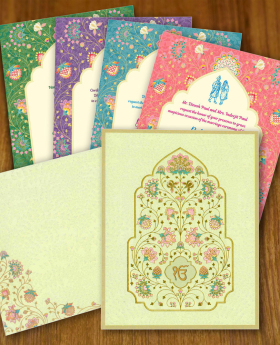
Punjabi weddings are some of the most vibrant and elaborate wedding affairs in India, and if you are also looking to plan a Punjabi wedding, then the first step should be to design a beautiful Punjabi wedding card.
Parekh cards have a variety of Punjabi wedding card designs that can reflect your traditions and culture aesthetically, as well as make sure that your Punjabi wedding invitation card is an embodiment of the couple’s personality as well as their wedding theme.
Check out our Punjabi wedding cards, and happy wedding planning!



Please complete your information below to login.
Sign In
Create New Account